 |
Concept Neuro & Spine Care hospital 24 Hour Emergency Facility Available |


Dr. Parimal Tripathi
 |
Dr. Ketan Patel M.S., M.Ch (Neurosurgery) |
Moyamoya disease is a disorder caused by blocked arteries at the base of the
brain. "Moyamoya" means "puff of smoke" in Japanese and describes the appearance of the
tangle of tiny vessels that form to compensate for the blockage. As the normal blood vessels
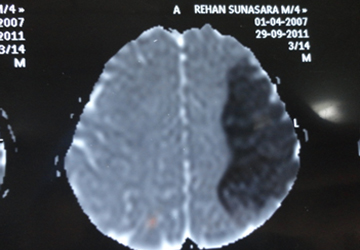
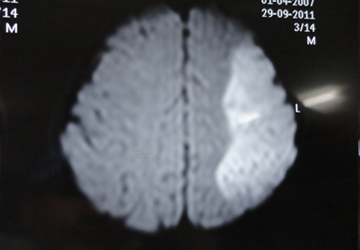
narrow and become blocked, a person may suffer a stroke – a life-threatening situation. No
medication can stop or reverse the progression of moyamoya disease. Treatment focuses on
reducing the risk of stroke and restoring blood flow to the brain.
This condition occurs more often in Japan but is found globally, and is most common in children
younger than 10 and among adults in their 30s.
Conditions associated with moyamoya disease include neurofibromatosis, tuberous sclerosis,
sickle cell anemia, meningitis, retinitis pigmentosa, fibromuscular dysplasia, atherosclerosis,
Down's syndrome and Fanconi's anemia following radiation therapy to the skull base in children.
Symptoms
• Children: Ischemic symptoms, those resulting from low blood flow, may include recurrent and sometimes alternating episodes of weakness, and speech and sensory symptoms. Other symptoms include seizures, involuntary movements and intracranial hemorrhage.
• Adults: Intracranial hemorrhage is the most common symptom. Ischemic symptoms
such as those found in children may also occur.
Diagnosis
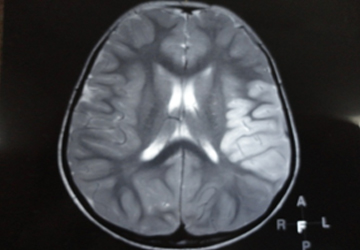
Cerebral angiography is the best method of diagnosing moya moya disease.
Characteristic findings are narrowing or closure at the termination of the internal carotid
artery, abnormal vascular network and other related blood vessel formation.
Treatment
Selected patients suffering from recurrent or progressive cerebral ischemic symptoms may require surgical treatment aimed at revascularizing the flow of blood to the brain.
 |
 |
|||
 |
 |
|||