 |
Concept Neuro & Spine Care hospital 24 Hour Emergency Facility Available |


Dr. Parimal Tripathi
 |
Dr. Ketan Patel M.S., M.Ch (Neurosurgery) |
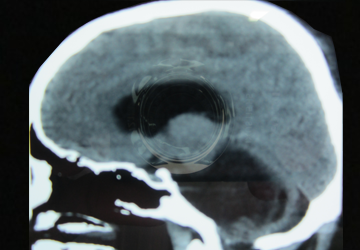
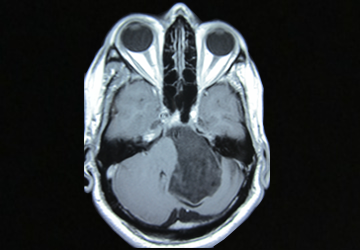
Schwannomas is a nerve sheath tumors, which means they involve the coating around nerve fibers that transmit messages to and from the brain and spinal cord (nervous system) and the rest of the body. Schwannomas are most often nonmalignant tumors.
How Schwannomas Develops
Schwannomas form in the tissue that surrounds and insulates nerves. Schwannomas develop when schwann cells -- the cells that form the covering around nerve fibers -- grow abnormally.
Schwannomas typically develop along nerves of the head and neck. A type of schwannoma called vestibular schwannoma (or acoustic neuroma) affects the nerve that connects the brain to the inner ear, which can affect your sense of balance. Although schwannomas do not spread, they can grow large enough to press down on important structures in the brain (including the brain stem).
What Are the Symptoms of Nerve Sheath Tumors?
Symptoms of schwannomas include:
| Pre-operative | Post-operative | |||
|---|---|---|---|---|
 |
 |
|||
| Pre-operative | Post-operative | |||
 |
 |
|||
How Are Nerve Sheath Tumors Diagnosed?
Doctors diagnose nerve sheath tumors by doing a physical and neurological (brain and nervous system) examination. Usually they'll also perform imaging tests such as CT or MRI scans to pinpoint the location and size of the tumor. A biopsy(removing a tissue sample and examining it in the lab) can confirm whether the tumor is malignant.