 |
Concept Neuro & Spine Care hospital 24 Hour Emergency Facility Available |


Dr. Parimal Tripathi
 |
Dr. Ketan Patel M.S., M.Ch (Neurosurgery) |
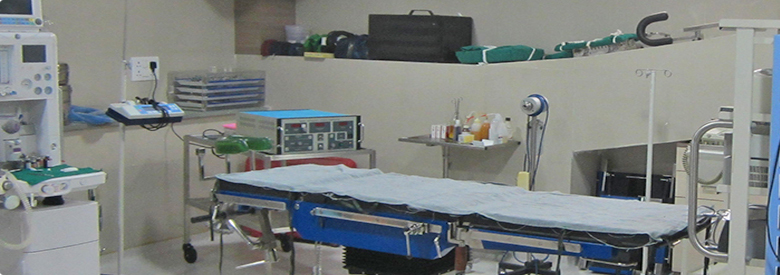
Carotid Endarterectomy or CEA, is surgery to remove plaque from the carotid arteries, the two large arteries on each side of neck. These arteries supply oxygen-rich blood to brain. CEA is used to prevent stroke in people who have carotid artery disease.
Plaque is made up of fat, cholesterol, calcium, and other substances found in the blood. Over time, plaque hardens and narrows the arteries. This limits or blocks the flow of oxygen-rich blood to your brain, which can lead to a stroke. A stroke also can occur if the plaque in an artery cracks or ruptures. Blood cells called platelets stick to the site of the injury and may clump together to form blood clots. Blood clots can partly or fully block a carotid artery
Procedures to Treat Cartoid Artery Disease
CEA and carotid angioplasty are the two treatments used to reduce blockages in the carotid arteries. CEA can lower the risk of stroke in people who have narrowed or blocked carotid arteries and symptoms suggesting stroke or transient ischemic attack (TIA). During a TIA, or "mini-stroke," one may have some or all of the symptoms of stroke. However, the symptomsusually go away on their own within 24 hours. CEA also can lower the risk of stroke in people who have severely blocked carotid arteries, even if they don't have stroke symptoms.
Carotid angioplasty is another common treatment for carotid artery disease. For this procedure, a thin tube with a balloon on the end is threaded to the narrowed or blocked artery. Once in place, the balloon is inflated to push the plaque outward against the wall of the artery. Usually, the doctor then places a small metal stent in the artery to reduce the risk that it will become blocked again. Antiplatelet medicines also may be used to treat people who have carotid artery disease. These medicines help reduce blood clotting and lower the risk of stroke.
CEA can greatly reduce the risk of stroke in people who have carotid artery disease. The surgery is fairly safe when done by a surgeon who has experience with it. However, serious complications, such as stroke and death, can occur. CEA is most helpful for people who have carotid artery disease and one or more of the following:
• A prior stroke.
• A prior transient ischemic attack (TIA), or "mini-stroke."
• Severely blocked carotid arteries (even if there are no stroke symptoms).
/1.jpg) |
/2.jpg) |
|||
/3.jpg) |
/4.jpg) |
|||