 |
Concept Neuro & Spine Care hospital 24 Hour Emergency Facility Available |


Dr. Parimal Tripathi
 |
Dr. Ketan Patel M.S., M.Ch (Neurosurgery) |
What is a brain aneurysm?
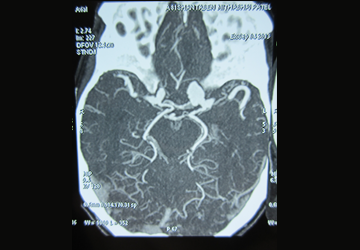
A brain (cerebral) aneurysm is a bulging, weak area in the wall of an artery that supplies blood to the brain. In most cases, a brain aneurysm causes no symptoms and goes unnoticed. In rare cases, the brain aneurysm ruptures, releasing blood into the skull and causing a stroke.
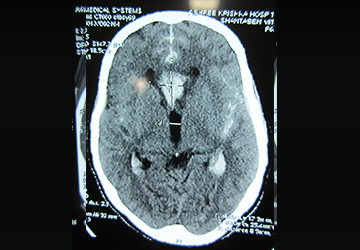
When a brain aneurysm ruptures, the result is called a subarachnoid hemorrhage. Depending on the severity of the hemorrhage, brain damage or death may result.
The most common location for brain aneurysms is in the network of blood vessels at the base of the brain called the circle of Willis.
What causes a brain aneurysm?
A person may inherit the tendency to form aneurysms, or aneurysms may develop because of hardening of the arteries (atherosclerosis) and aging. Some risk factors that can lead to brain aneurysms can be controlled, and others can't. The following factors may increase the risk of developing an aneurysm or, if one already has an aneurysm, may increase the risk of it rupturing:
What are the symptoms?
Most brain aneurysms causes no symptoms and may only be discovered during tests for another, usually unrelated, condition. In other cases, an unruptured aneurysm will cause problems by pressing on areas in the brain. When this happens, the person may suffer from severe headaches, blurred vision, changes in speech, and neck pain, depending on what areas of the brain are affected and how bad the aneurysm is.
Symptoms of a ruptured brain aneurysm often come on suddenly. If you have any of the following symptoms or notice them in someone you know, call 108 or other emergency services right away:
| Sub-Arachnoid-Bleed | Aneurysm | |||
|---|---|---|---|---|
 |
 |
|||
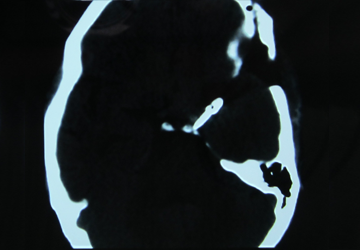
| Clip | ||||
 |
||||